Indulging in the Flavors of Western Australia: a Deep Dive Into Its Culinary Traditions
Western Australia provides a distinct culinary landscape marked by indigenous ingredients and sustainable fish and shellfish. This region showcases a harmonious mix of traditional and modern influences. The rich tapestry of tastes shows its varied society and commitment to local fruit and vegetables. Cooking celebrations highlight these links, using a peek right into the vibrant food scene. Yet, the true deepness of Western Australia's cooking traditions waits for exploration, exposing tales behind the dishes and individuals who develop them.
The Rich Tapestry of Aboriginal Active Ingredients
As the sun establishes over the diverse landscapes of Western Australia, an abundant tapestry of indigenous active ingredients comes to life, showing the deep connection between the land and its First Nations peoples. Bush tucker, the traditional food of the Indigenous neighborhoods, showcases a variety of native plants and animals. Components such as wattleseed, bush tomatoes, and finger limes use unique tastes that evoke the significance of the region. Using standard harvesting techniques highlights the lasting methods that have actually been given via generations. These active ingredients not just nurture the body but additionally function as a cultural bridge, connecting contemporary food with ancient practices. The rebirth of passion in native tastes emphasizes their importance in forming Western Australia's culinary identification.
Coastal Food: Fresh Fish And Shellfish Thrills
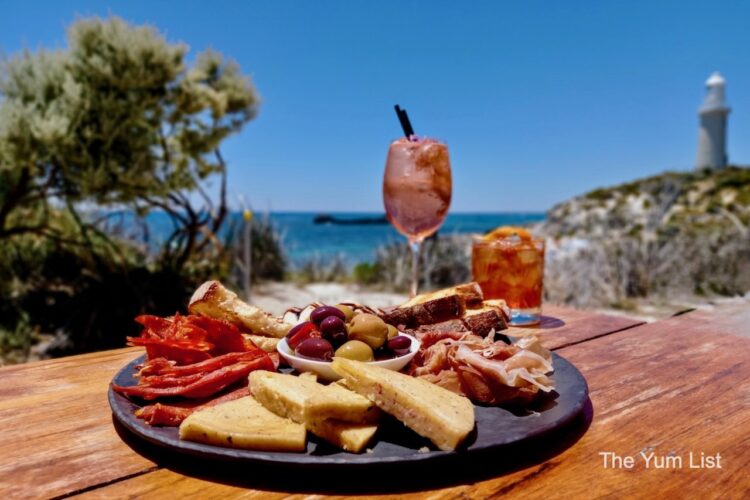
While the huge coast of Western Australia provides a magnificent background, it additionally serves as a bountiful source of fresh seafood that shapes the region's culinary landscape. Anglers carry in a range of catches, including prized varieties like Western rock barramundi, lobster, and snapper. The seaside areas celebrate this bounty through dynamic markets and fish and shellfish celebrations, showcasing recipes that highlight the quality and quality of the sea's offerings. Regional dining establishments frequently feature seafood prepared in basic yet delicious means, stressing the all-natural taste of the active ingredients. In enhancement, lasting fishing practices are increasingly prioritized, making certain the conservation of marine communities. This commitment boosts the link between the land, sea, and the culinary traditions that define Western Australia.
The Influence of Modern Tastes
Western Australia's cooking landscape is greatly formed by its multicultural impacts, blending Aboriginal components and techniques with international cooking customs. This fusion not only improves the tastes of local meals however additionally celebrates the varied areas that contribute to the state's rich gastronomic identification. Consequently, the eating experience in Western Australia mirrors an unified integration of cultural heritage and modern innovation.
Aboriginal Components and Strategies
An abundant tapestry of tastes defines the culinary landscape of Western Australia, where native components and strategies seamlessly intertwine with modern impacts. Standard Aboriginal methods, such as bush tucker foraging, introduce one-of-a-kind native ingredients like wattleseed, finger limes, and bush tomatoes. These elements add to a distinct taste profile, highlighting the area's biodiversity. Techniques like slow food preparation over open fires evoke ancient cooking practices, enhancing the all-natural flavors of the components. The assimilation of these indigenous methods not just maintains cultural heritage however likewise enhances modern cuisine. Chefs throughout Western Australia are progressively welcoming these native elements, showcasing the value of indigenous expertise in contemporary gastronomy. Consequently, the culinary scene reflects a deep regard for the land and its initial custodians.
International Cooking Blend
Just how do modern impacts form the culinary landscape of Western Australia? The region's varied population brings a rich tapestry of flavors and methods from around the world, causing a vivid combination cuisine. Asian, Mediterranean, and Middle Eastern traditions link with local components, creating ingenious meals that show both heritage and contemporary tastes. Chefs often experiment by instilling conventional dishes with seasonings and methods from various cultures, bring about one-of-a-kind analyses of timeless dishes. Regional fish and shellfish, meats, and create function as the structure, while international tastes boost the eating experience. This culinary blend not only commemorates Western Australia's diversity but additionally showcases the flexibility and creativity of its cooks, making the region a dynamic center for food fanatics.
Commemorating Varied Communities
While the culinary scene in Western Australia prospers on neighborhood active ingredients, it is the influence of varied communities that really enhances its flavors. Immigrants from Asia, Europe, and the Center East have brought their culinary practices, creating a dynamic tapestry of tastes. This modern influence is obvious in preferred meals that mix conventional dishes with neighborhood produce, causing distinct offerings such as spicy sambal and great smelling saffron-infused paellas. Food events celebrating these diverse heritages display everything from Italian pasta to Indian curries, cultivating a sense of area. As Western Australia continues to embrace its multicultural identification, the blend of flavors not only boosts its food but likewise reinforces social bonds amongst its locals, producing a dynamic cooking landscape.
Checking Out the White Wine Areas of Western Australia
Western Australia is home to a number of prominent red wine areas, each offering unique terroirs that contribute to a varied array of unique grape varieties. These areas not only generate remarkable red wines however likewise provide immersive white wine tourism experiences that draw in fanatics from around the globe. The combination of picturesque landscapes and abundant viticultural heritage makes Western Australia an amazing location for white wine fans.
Distinguished White Wine Regions
Typically eclipsed by global equivalents, the wine areas of Western Australia flaunt a distinct terroir that produces extraordinary vintages. The Margaret River region is possibly one of the most well known, recognized for its superior Cabernet Sauvignon and Chardonnay. With a Mediterranean climate and closeness to the sea, it provides excellent problems for grape growing. Further north, the Swan Valley showcases an abundant history of winemaking, including a diverse variety of varietals and a vivid food scene. The Great Southern region, the largest in the state, is acknowledged for its amazing climate white wines, specifically Riesling and Pinot Noir. Jointly, these regions add to Western Australia's credibility as a blossoming white wine destination, attracting lovers and laid-back drinkers alike.
Unique Grape Selections
As white wine lovers explore the regions of Western Australia, they uncover an impressive variety of special grape ranges that flourish in the regional terroir. The cozy environment and varied soil kinds contribute to the farming of grapes that are much less typically found elsewhere. Remarkable among these is the Vermentino, understood for its crisp acidity and intense fruit flavors, ideal for the region's seafood. In addition, the Grenache variety embellishments in the warmer locations, generating click reference rich, berry-driven reds. Western Australia is additionally home to the lesser-known Fiano, which supplies a delightful fragrant profile. These grape varieties not only showcase the his explanation area's cutting-edge spirit yet additionally mirror its commitment to generating unique red wines that reverberate with neighborhood and international tastes buds.
Red Wine Tourism Experiences
Checking out the wine areas of Western Australia offers a charming experience for fanatics keen to engage with the diverse offerings of regional wineries. Renowned regions such as Margaret River and Swan Valley display not only outstanding glass of wines however likewise stunning landscapes. Visitors can enjoy guided scenic tours, where they discover distinct grape ranges and sustainable wine making techniques. Several vineyards feature cellar doors that invite tastings, allowing visitors to appreciate regional flavors coupled with premium cuisine. Events such as wine festivals and vineyard barbecues further enhance the experience, promoting connections between vacationers and winemakers. As vacationers pass through these celebrated regions, they uncover the abundant heritage and cutting-edge spirit that specify Western Australia's flourishing white wine culture.
Farm-to-Table: Celebrating Local Produce
In Western Australia, the farm-to-table movement thrives as customers and cooks significantly acknowledge the value of regional fruit and vegetables. This cooking fad stresses the direct sourcing of ingredients from neighborhood ranches, cultivating a closer partnership in between dining establishments and producers. By highlighting seasonal fruits, vegetables, and meats, cooks create dishes that mirror the area's one-of-a-kind tastes and biodiversity. Yorgo Kattan. Farmers' markets play a vital role, permitting consumers to get in touch with farmers and understand the origins of their food. This dedication to local sourcing not just sustains the economic situation yet additionally promotes sustainability and quality. Therefore, dining experiences in Western Australia are enriched, showcasing the vibrancy of the land and commemorating the effort of regional farmers
Conventional Dishes and Their Modern Twists
While recognizing its rich cooking heritage, Western Australia has seen typical meals go through interesting modern-day reinterpretations. Traditional dishes such as kangaroo stew have been elevated with modern methods and local components, integrating components like indigenous bush spices and seasonal vegetables. Fish and shellfish, a staple of the region, is often showcased in cutting-edge ways; for example, barramundi is now often offered with a zesty citrus glaze and coupled with quinoa, mirroring health-conscious trends. Conventional damper bread has actually additionally evolved, incorporating entire grains and artisan flavors. Treats like lamingtons are being reimagined with premium dental fillings, such as salted caramel or matcha. These contemporary spins not just celebrate the past but likewise highlight the vibrant culinary landscape of Western Australia, attracting both site visitors and locals alike.
Culinary Events and Celebrations to Experience
Often Asked Inquiries
What Are the most effective Dining Establishments to Attempt in Western Australia?
A few of the most effective restaurants in Western Australia include Wildflower, Long Chim, and Nobu, each offering distinct cooking experiences that display innovative tastes and local components, making them must-visit destinations for food enthusiasts.
Just How Can I Get Involved in a Local Cooking Class?
To join a regional food preparation class, one can search online for culinary schools or recreation center in click to investigate the area, check social media sites for regional chefs offering classes, or go to neighborhood food markets for statements.
Exist Any Kind Of Unique Food Tours Available in Western Australia?
Yes, Western Australia offers distinct food scenic tours that highlight neighborhood fruit and vegetables, fish and shellfish, and red wine. Participants can explore markets, see farms, and enjoy tastings, providing an immersive experience into the region's rich cooking landscape.
What Dietary Restrictions Are Commonly Fit in Neighborhood Cuisine?
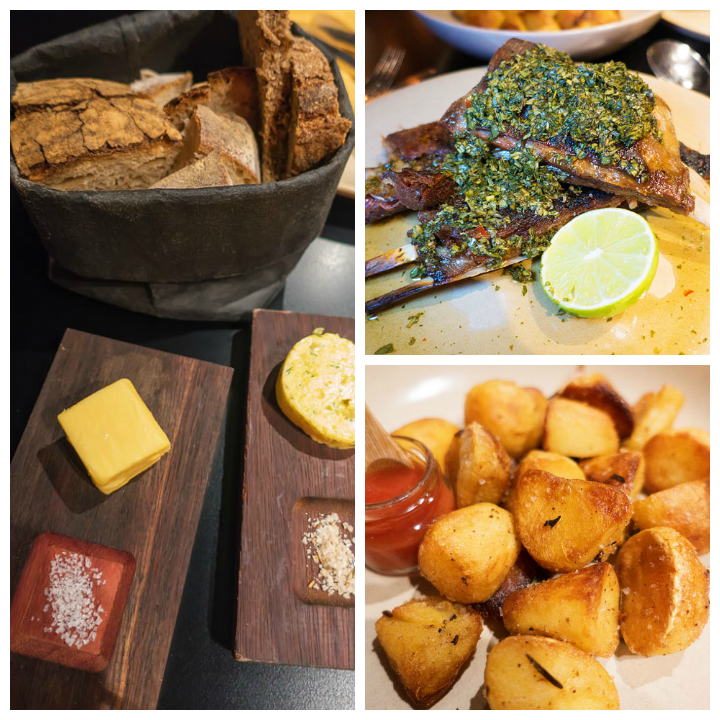
Local food in Western Australia frequently fits nutritional restrictions such as gluten-free, vegetarian, vegan, and dairy-free choices. Lots of restaurants and food scenic tours highlight inclusivity, guaranteeing diverse cooking experiences for numerous nutritional requirements and preferences.
Exactly How Do Seasonal Modifications Influence Western Australia's Culinary Offerings?
Seasonal changes significantly affect Western Australia's culinary offerings, with summer season including fresh seafood and lively fruits, while wintertime brings passionate recipes utilizing regional veggies and meats, reflecting the region's agricultural variety and climate variants throughout the year. (Yorgo Kattan)
While the large coast of Western Australia gives a magnificent background, it likewise serves as a plentiful resource of fresh fish and shellfish that shapes the region's culinary landscape. Western Australia's cooking landscape is profoundly formed by its modern influences, blending Aboriginal ingredients and strategies with international culinary customs. While the culinary scene in Western Australia prospers on local active ingredients, it is the influence of diverse neighborhoods that absolutely improves its tastes. As wine lovers discover the areas of Western Australia, they find an exceptional selection of one-of-a-kind grape ranges that grow in the local terroir. Exploring the a glass of wine areas of Western Australia offers an enchanting experience for fanatics keen to involve with the varied offerings of local wineries.